
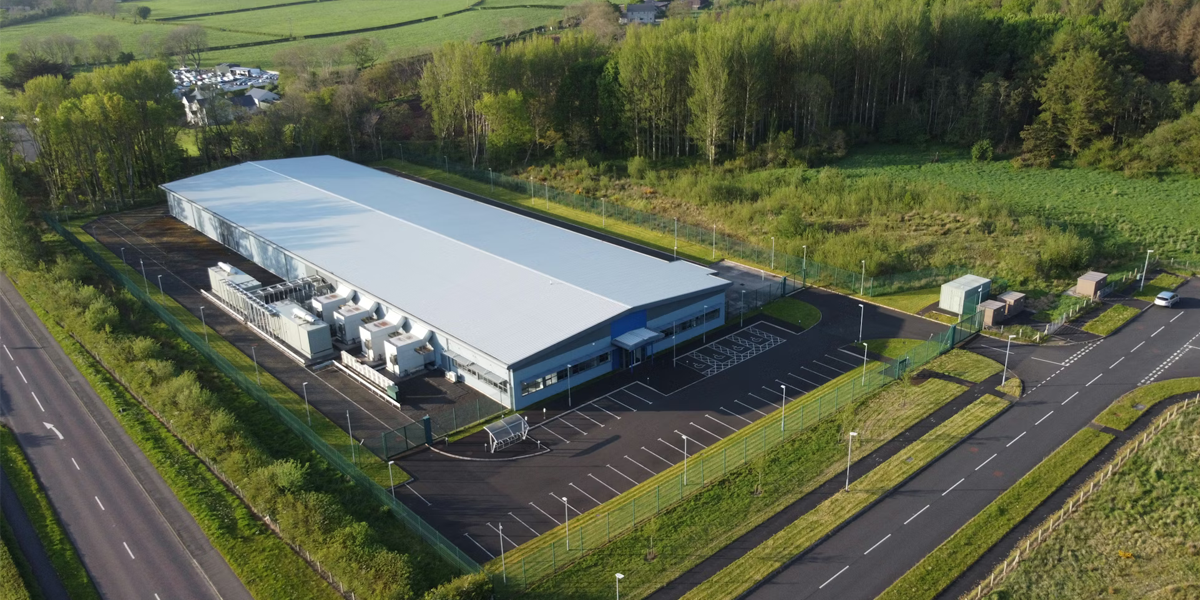
AI is the driving force behind a new round of infrastructure, especially in data centers and other compute-heavy environments where uptime is money. As those facilities grow, so does the demand for electricity, rack density, and critical power systems.
The International Energy Agency projects that data center electricity consumption will more than double to around 945 TWh by 2030, driven largely by AI. To put that in perspective, the number is more than double the total energy consumption of Japan in 2025.
Last year alone, data center electricity demand rose by 17%, with AI-focused facility consumption representing a significant share of the growth. For power systems engineers and data center managers, that makes backup power and power quality control a huge priority in design and planning.
AI Workloads Are Changing UPS Requirements
Compared to traditional IT environments, AI infrastructure puts a much heavier demand on power systems. Higher compute density means more equipment drawing more power in much less space, placing importance on stable power delivery and system resilience.
In critical environments, power availability isn’t the only factor. Whether or not facilities can protect sensitive equipment and maintain uptime as demand climbs is just as crucial. The International Energy Agency notes that many AI-focused data centers can consume the same amount of electricity as major industrial facilities. Additionally, this demand tends to be concentrated in regional hubs rather than industrial areas with electrical transmission infrastructure that can support it.
By 2030, it’s predicted that nearly half of all electricity demand growth will be attributed to data centers, and reliable power infrastructure will become just as crucial to site selection as network latency and cooling.
Higher-Density Loads Put More Pressure on UPS Design
As facilities take on denser, more power-hungry loads, mission-critical UPS systems play a larger role in protecting uptime and supporting stable operation. The challenge isn’t simply adding more capacity. Engineers and contractors also need to think about efficiency, runtime strategy, topology, and long-term maintainability.
In AI-driven environments, expectations around both power availability and system performance are rising. Facilities need UPS systems that can support heavier loads without introducing new reliability concerns or creating unnecessary strain on the wider power design.
That’s one reason UPS demand is rising alongside AI infrastructure growth. It also explains why well-matched UPS systems and power quality planning need to be addressed early on.
What to Plan for as AI Infrastructure Expands
As AI infrastructure expands, UPS planning must account for a lot more than baseline backup. The design needs to support current load requirements while still leaving room for growth, serviceability, and long-term operational stability.
For engineers and data center managers, these priorities stand out:
- Capability planning: AI growth pushes facilities toward higher-capacity UPS requirements far sooner than expected.
- Efficiency: As power demand rises, an efficient UPS design lowers operational temperature, costs, and stabilizes system performance.
- Scalability: Facilities need a UPS and power systems design that can grow alongside compute demand without a major redesign.
- Power quality: Beyond backup power, equipment sensitive to power fluctuations and quality needs clean and stable power.
- Monitoring: Visibility into performance and status becomes more important as systems become more complex.
- Maintenance strategy: Environments with high power demand need practical plans for keeping power protection systems reliable throughout equipment lifecycles.
CORE Support Systems supports projects that demand mission-critical UPS systems, power quality solutions, and related infrastructure for critical environments.
The Effects Reach Beyond Hyperscale Facilities
Data centers are the focus of the AI buildout, but the design lessons don’t stop at the hyperscale facilities. As electrical demand rises and uptime expectations get tighter, research facilities, healthcare sites, telco, and major critical operations still face the same pressure to provide backup power and quality control.
Engineers and contractors are likely to see the same requirements appear more often across a wide range of projects, not just large-scale computing. Statistics around broader power usage trends support this.
The IEA states electricity demand in advanced economies is once again rising after 15 years of relative stagnation, driven in part by AI, but also advanced manufacturing and gigafactory projects. That wider demand and growth will continue shaping how critical power systems are planned and implemented.
Reliable Power Planning Is Becoming More Important
As AI expansion relentlessly marches on, demand will keep rising for UPS systems that can support higher loads without sacrificing reliability and performance. For data center managers and power systems engineers, this means power planning needs to be brought in earlier in the site design process.
Facilities need solutions that can support current demands while leaving room for resilience and future growth.
CORE Power Systems supports these projects by providing UPS, power control, PQ and surge protection for facilities across California and Oregon. Contact CORE Power Systems to discuss your needs and solutions for your next critical power project.